The British Wildflower Guide
Britain's native wildflowers are among the most beautiful in the world. Here is what grows where, when, and how to bring that wild quality into your home without leaving a hedgerow bare.
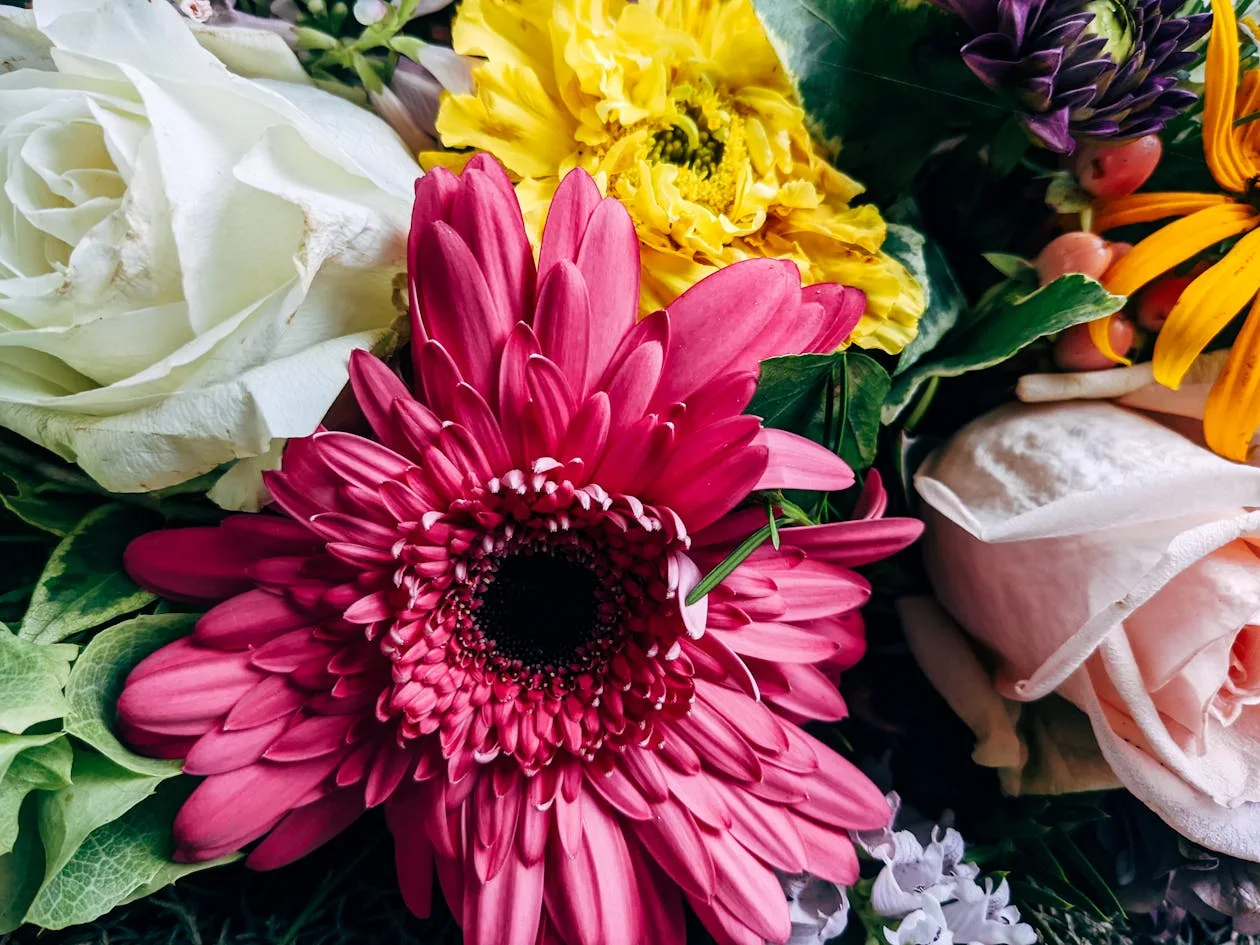
Britain has lost 97% of its wildflower meadows since the 1930s. The ones that remain are extraordinary: ecosystems of extraordinary beauty, teeming with colour and life from April through to September. Understanding what grows in them, and when, is one of the more pleasurable forms of botanical education available.
Spring wildflowers (March to May)
Summer wildflowers (June to August)
Growing wildflowers for cutting
The ethical way to bring wildflowers into the home is to grow them. Many British wildflowers are readily available as seed and grow easily in any garden. A small wildflower patch sown with cornflowers, oxeye daisies, field poppies, scabious, and corn marigolds will produce cutting material throughout summer and provide habitat for bees and butterflies. It is one of the most rewarding gardens you can create.
Starting a wildflower cutting patch
- Prepare a sunny, well-drained bed with poor soil: wildflowers do not want rich conditions
- Sow in autumn or early spring; many wildflower seeds need a cold period to germinate
- Include a mix of annuals (cornflowers, poppies) and perennials (oxeye daisy, scabious) for continuity
- Never pick from wild populations: grow your own or buy from ethical growers
- Leave seed heads standing at the end of the season: they provide winter bird food and next year's seeds
“A posy of cornflowers, oxeye daisies, and field scabious from your own garden is one of the finest small pleasures available to anyone who grows.”
Continue reading
Spring Flowers: Britain's Most Beautiful Seasonal Blooms
From the first narcissi of February to the blowsy peonies of June, spring in Britain is a procession of extraordinary flowers. Here's what to look for — and when.
Read more →
Summer Flowers: Britain's Garden at Full Bloom
British summer produces a flower display that rivals anywhere in the world. Here is what is available, when, and how to make the most of it.
Read more →Building a Cutting Garden
A cutting garden is one of the most rewarding things you can grow. Here is how to design, plant, and maintain a patch that produces beautiful flowers from spring to autumn.
Read more →