Why Carnations Deserve a Second Chance
Carnations have been dismissed as cheap and cheerless for decades. That reputation is entirely undeserved. Here is the case for the most underrated flower in the world.
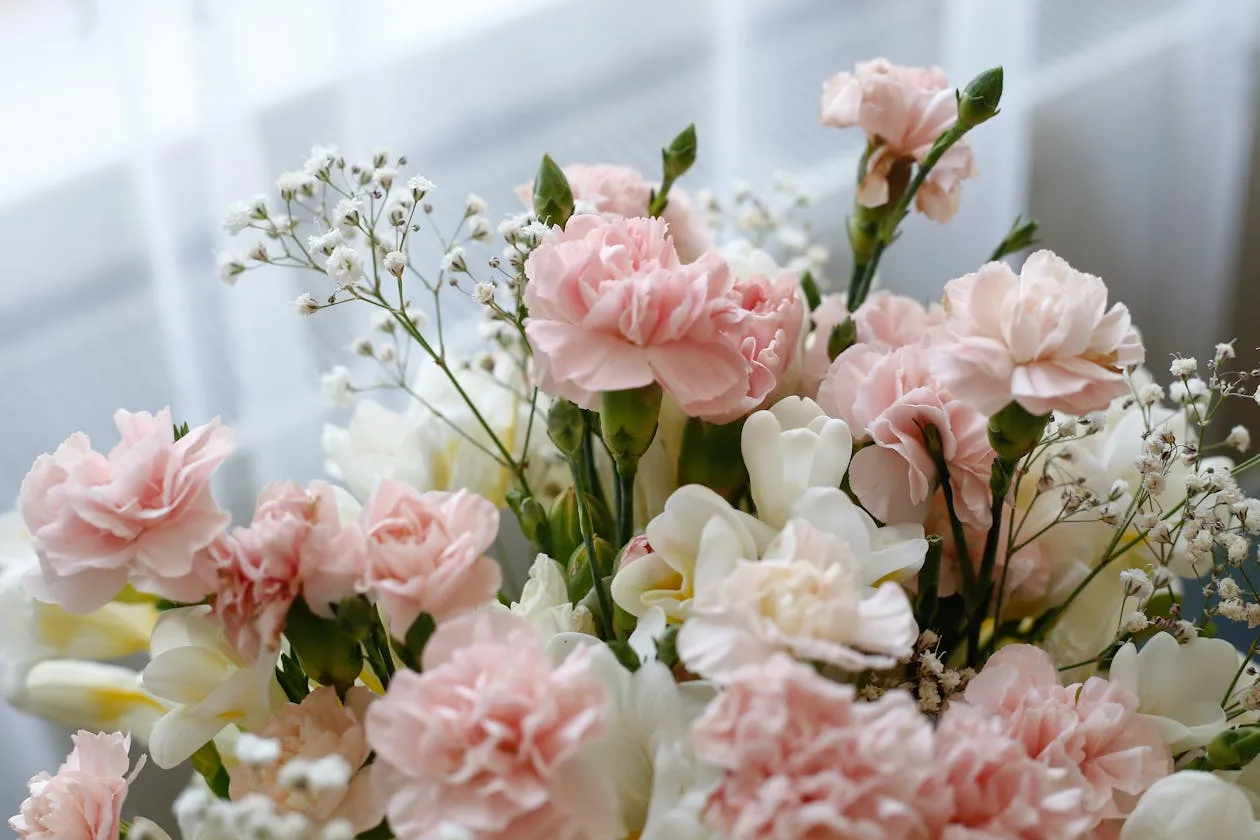
Somewhere in the twentieth century, carnations acquired a reputation they did not earn. They became the flower of hospital gift shops and petrol station forecourts, handed over as an afterthought when nothing better was available. This reputation has nothing to do with the carnation itself and everything to do with how cheaply and carelessly it came to be used.
The truth is that carnations are one of the oldest cultivated flowers in the world, revered for centuries before they became synonymous with bargain bunches. Understanding what they actually are changes everything.
A flower with genuine history
Carnations, Dianthus caryophyllus, have been cultivated for more than 2,000 years. The ancient Greeks and Romans used them in ceremonial garlands. The Spanish brought them to the Americas in the sixteenth century. In Korea, carnations are one of the primary flowers used to honour parents and teachers. In France, top florists use carnations alongside roses without apology. The dismissal of carnations is a peculiarly British and American phenomenon, and a recent one at that.
“The carnation was considered the flower of the gods in ancient times. Its demotion is a modern failure of imagination, not a botanical verdict.”
What makes carnations genuinely excellent
The case for carnations
- Vase life of 2 to 3 weeks: among the longest of any cut flower
- Available year-round in dozens of colours, including true blue (spray-dyed) and bicolours
- Spicy, clove-like fragrance that is distinctive without being overwhelming
- Extremely hardy: they travel well and recover quickly from transit stress
- Inexpensive, which means you can buy in generous quantities
- They absorb dye beautifully, making them one of the most versatile flowers for custom colour work
The colours and what they mean
How to use them well
The key to using carnations with confidence is to commit to them. A casual mixed bunch where carnations are filler looks cheap. A deliberate single-variety arrangement of carnations in one or two colours looks considered and interesting. Buy a large quantity in a single colour: twenty white carnations in a wide-mouthed vessel is a striking and sophisticated display. Add eucalyptus or bear grass and you have something genuinely beautiful.
Spanish florists have long known this. The traditional Spanish clavel arrangement is nothing but carnations, tightly packed in vivid reds and pinks, and it is one of the most arresting floral displays in Europe. The flower is not the problem. The lack of commitment is the problem.
“Twenty white carnations packed tightly into a ceramic pot is more striking than twenty mixed flowers arranged carelessly. Abundance and intention are the real luxury.”
Continue reading
10 Flowers That Last Longer Than a Week
Some flowers are gone in three days. Others stay beautiful for two weeks or more. Know the difference before you order — and make every bouquet count.
Read more →
Gypsophila, Eucalyptus, and the Fillers That Make a Bouquet
Filler flowers and foliage are the unsung heroes of any great arrangement. Here is what the best ones do, and how to use them with confidence.
Read more →What to Write in a Flower Card
The flowers do most of the work. But the card still matters. Here is how to write something that is heartfelt without being awkward, for every occasion.
Read more →