The Art of Giving Flowers for No Reason
Giving flowers for no particular reason is, arguably, the most powerful flower-giving gesture of all. It requires no occasion, no justification, and no social script. That is precisely the point.
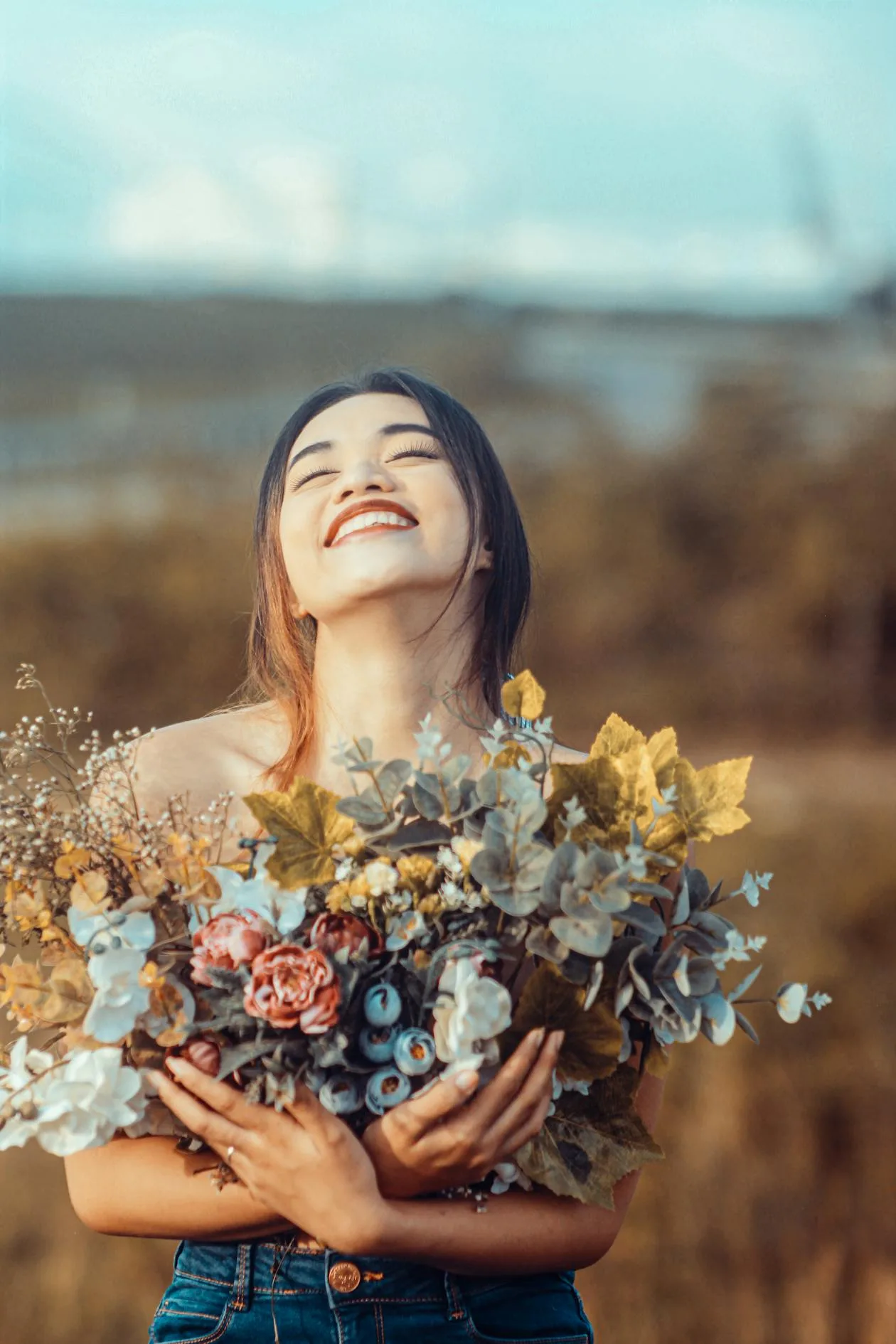
The most common flower-giving mistake in Britain is reserving flowers exclusively for occasions. Valentine's Day, birthdays, Mother's Day, funerals: these are the events around which most domestic flower purchases cluster, leaving the rest of the year flowerless for most households. Yet the flowers with the greatest emotional impact are frequently the ones that arrive on an ordinary Wednesday for no reason at all. They say something that occasion-flowers cannot: I was thinking of you when there was no cultural prompt to do so.
Why spontaneous flowers hit differently
When flowers arrive on Valentine's Day, the recipient knows that social expectation has played a role. The gesture is warm, but it is partly legible as compliance with cultural norms. When flowers arrive on a Tuesday in November with no explanation except a card that says something specific about the recipient, the social expectation has been entirely removed. What remains is undiluted: the giver thought of this person and acted on it, without prompting, without occasion, and without anything to gain beyond the act itself.
“Occasion-flowers say: I remembered. Spontaneous flowers say: I was thinking of you when there was no reason to be. The second is the rarer and more powerful statement.”
Who to give them to
The just-because flower works in almost any close relationship: romantic partnerships, long friendships, relationships with parents or siblings, and occasionally with colleagues who have done something quietly generous. The common thread is that the recipient is someone you genuinely think about beyond the culturally designated moments, and the flowers make that visible. A bunch of flowers delivered to a parent on an unremarkable Wednesday carries enormous weight: it says I thought of you today for no other reason than that I did.
The spontaneous flower: practical guide
- Buy when you see something beautiful, not only when you have a reason
- Keep the occasion genuinely without occasion: do not invent a justification
- A small, informal bunch from a market or local florist suits this gesture better than a formal arrangement
- The card, or lack of one, matters: a simple note is better than a formal card
- Do it for people you see regularly as well as those far away
- Make it a habit: one spontaneous flower purchase a month will change your relationships more than a hundred occasion-flowers
Buying flowers for yourself
The spontaneous flower principle applies to yourself as much as to others. Buying flowers for your own home because you passed a stall and something beautiful was there, or because the tulips were the exact colour of something that caught your attention this week, is the same gesture turned inward. It says: I pay attention to what I find beautiful, and I act on it. People who buy flowers for their own homes regularly report higher levels of domestic happiness than those who do not. The evidence suggests that this is not incidental.
Continue reading
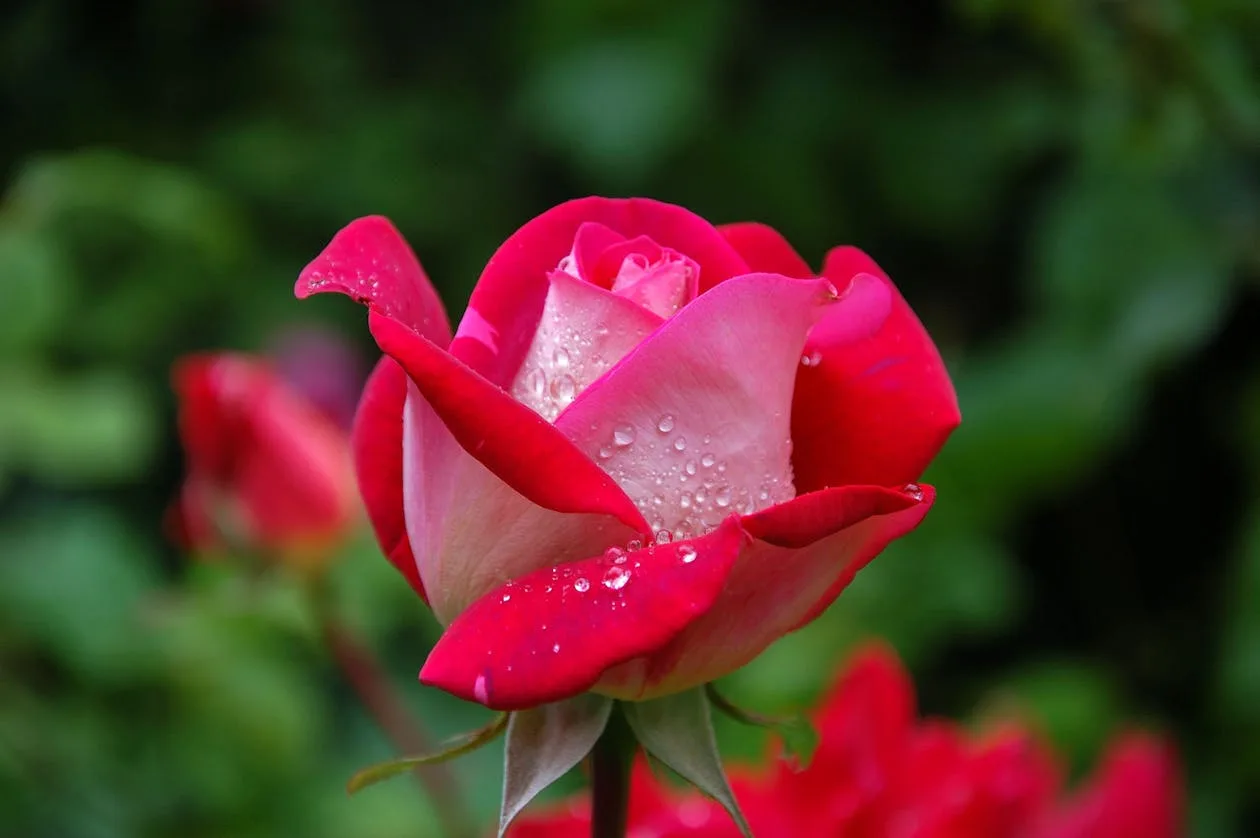
The Art of the Single Stem
One flower, chosen well and given with intention, can say more than a dozen. Here is the case for the most underrated gesture in floristry.
Read more →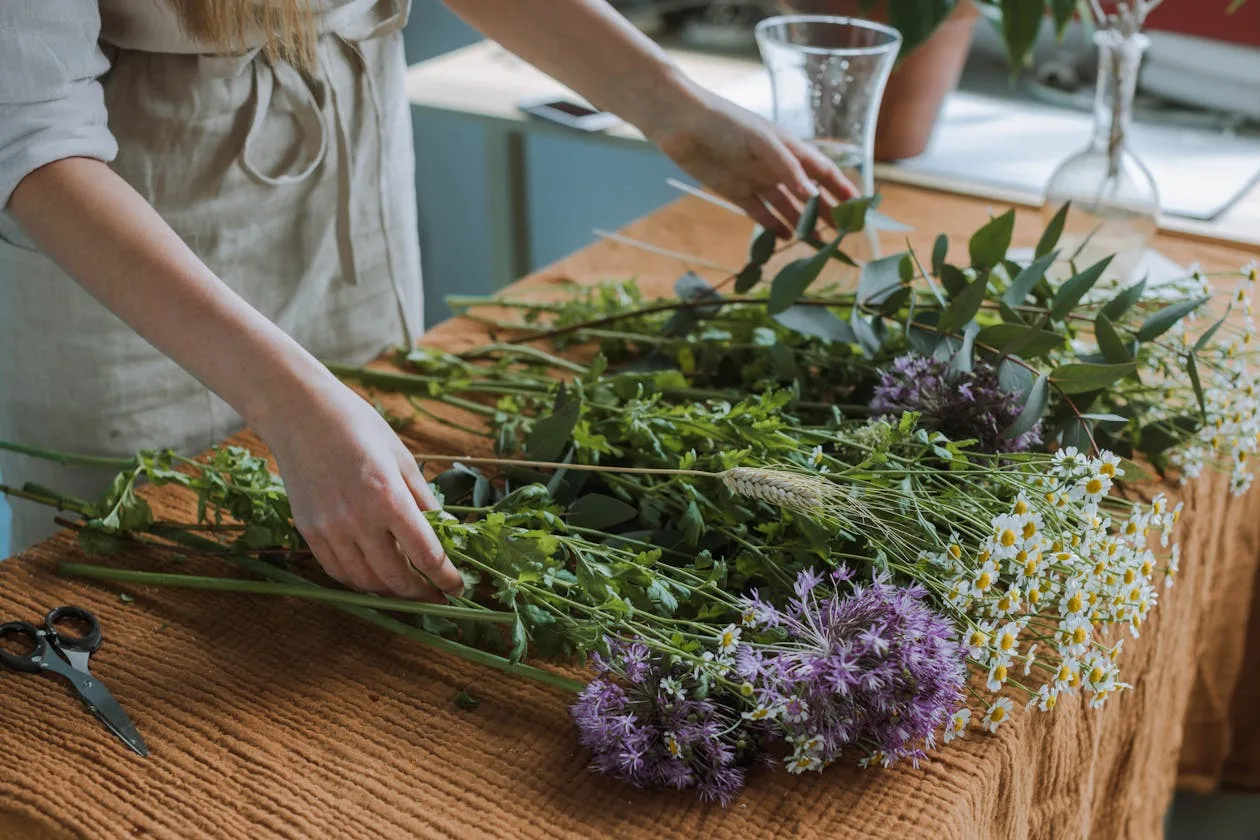
Flowers After a Breakup: Giving to Yourself
Buying flowers for yourself after a difficult ending is not self-pity. It is one of the most practical and evidence-based acts of self-care available, and it costs less than a round of drinks.
Read more →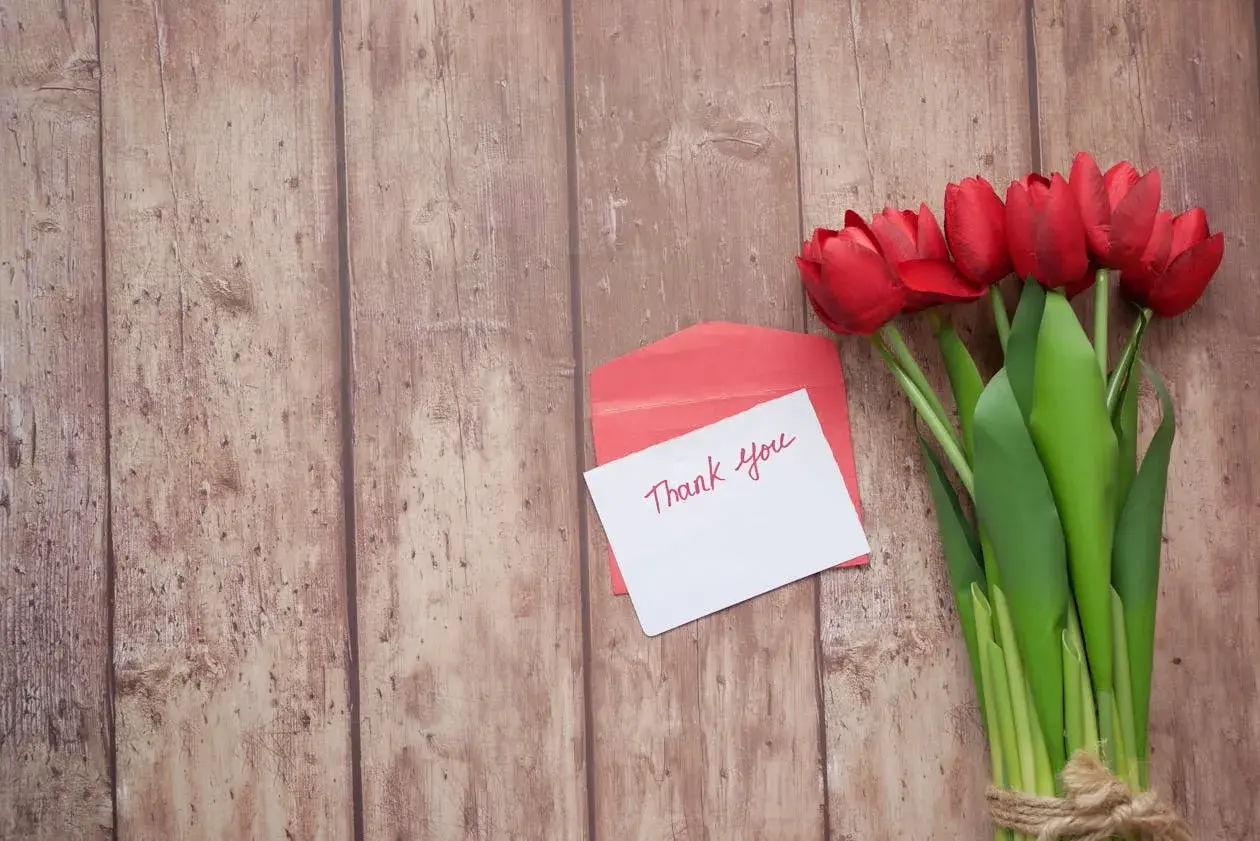
Thank-You Flowers: How to Get It Right
A thank-you expressed through flowers is among the most generous forms of gratitude. Getting it right means understanding what makes a thank-you flower gift feel genuine rather than perfunctory.
Read more →