How to Make Cut Flowers Last Longer: The Science
Cut flowers die for predictable, preventable reasons. Understanding the science behind vase life means you can do something about it. Here is what actually works.
Cut flowers die because they are cut. That sounds tautological, but it points to a real mechanism: once separated from the plant, flowers can no longer draw water through their root system. They depend entirely on the stem's ability to draw water upward. Every intervention that helps flowers last longer is an intervention to maintain or improve that process.
The three enemies of cut flowers
Bacteria: bacteria in vase water are the primary cause of premature flower death. They colonise the cut stem, blocking the vessels that draw water upward. Ethylene: a natural plant hormone released by ripening fruit, ageing flowers, and some gases. It accelerates ageing in cut flowers. Air embolism: when a stem is cut and exposed to air, tiny air bubbles can block the water-conducting vessels. This is why re-cutting stems under water or at an angle is effective.
What actually works
Evidence-based flower care
- Cut stems at a 45-degree angle with a clean, sharp knife: this maximises the surface area for water uptake and prevents the stem sitting flat on the vase bottom
- Change the water every two days: fresh water reduces bacterial load dramatically
- Re-cut stems by 1 to 2 cm each time you change the water: removes blocked stem tissue
- Use flower food sachets: they contain a biocide, sugar (fuel for the flower), and a pH-lowering agent that together extend vase life by an average of 50%
- Keep flowers away from fruit: ethylene gas from bananas, apples, and other ripening fruit shortens vase life significantly
- Cool temperatures extend vase life: a room at 15 degrees keeps flowers 30 to 50% longer than a room at 22 degrees
- Remove leaves below the waterline: submerged foliage decays rapidly and fuels bacterial growth
The flower food debate
Flower food sachets are often ignored or discarded. This is a mistake. The sachets contain a carefully formulated combination of acidifier (usually citric acid), sugar, and biocide. The acidifier lowers the pH of the water, which inhibits bacterial growth and improves water uptake. The sugar feeds the flower. The biocide kills existing bacteria. Multiple independent studies have confirmed that flower food extends vase life significantly. Use it.
Home remedies: what works and what does not
A crushed aspirin acidifies water slightly and can help. A teaspoon of bleach kills bacteria but can also damage delicate petals. Vodka in small quantities inhibits ethylene production. A penny in the vase is an old remedy: copper has mild antimicrobial properties. None of these home remedies match the effectiveness of commercial flower food, but the aspirin and penny solutions have at least some evidence behind them and will not cause harm.
“Fresh water, clean cuts, cool temperatures, and flower food: these four things extend vase life more than any flower variety you choose. The care is the difference.”
Continue reading
10 Flowers That Last Longer Than a Week
Some flowers are gone in three days. Others stay beautiful for two weeks or more. Know the difference before you order — and make every bouquet count.
Read more →
5 Ways to Style Flowers at Home
You don't need a florist's eye to display flowers beautifully. You need five simple principles — and the willingness to think beyond the traditional vase.
Read more →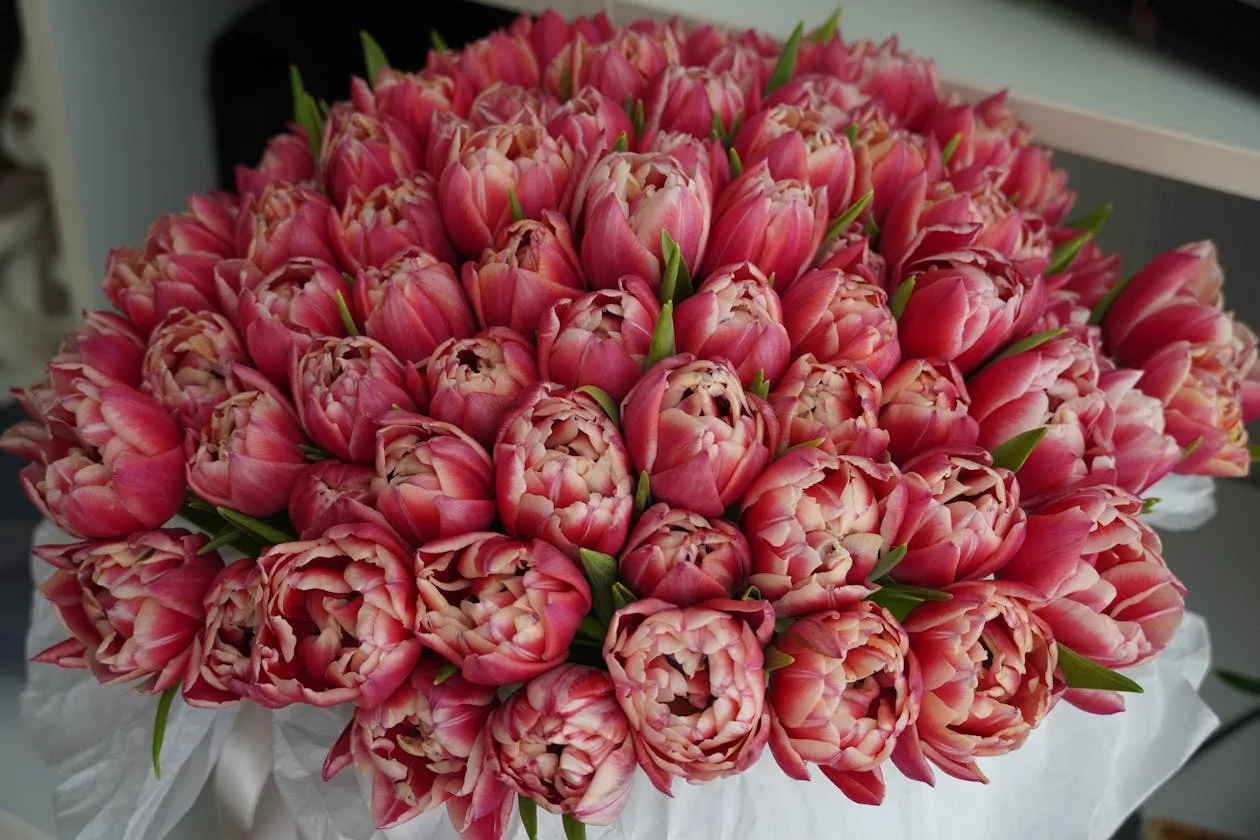
The Complete Tulip Guide
From species tulips to dinner-plate parrot varieties, tulips are more varied and interesting than most people realise. Here is everything worth knowing.
Read more →