Sending Flowers Abroad: A Practical Guide
Sending flowers to someone in another country is perfectly possible, and it can be deeply meaningful. Here is what you need to know to do it well.
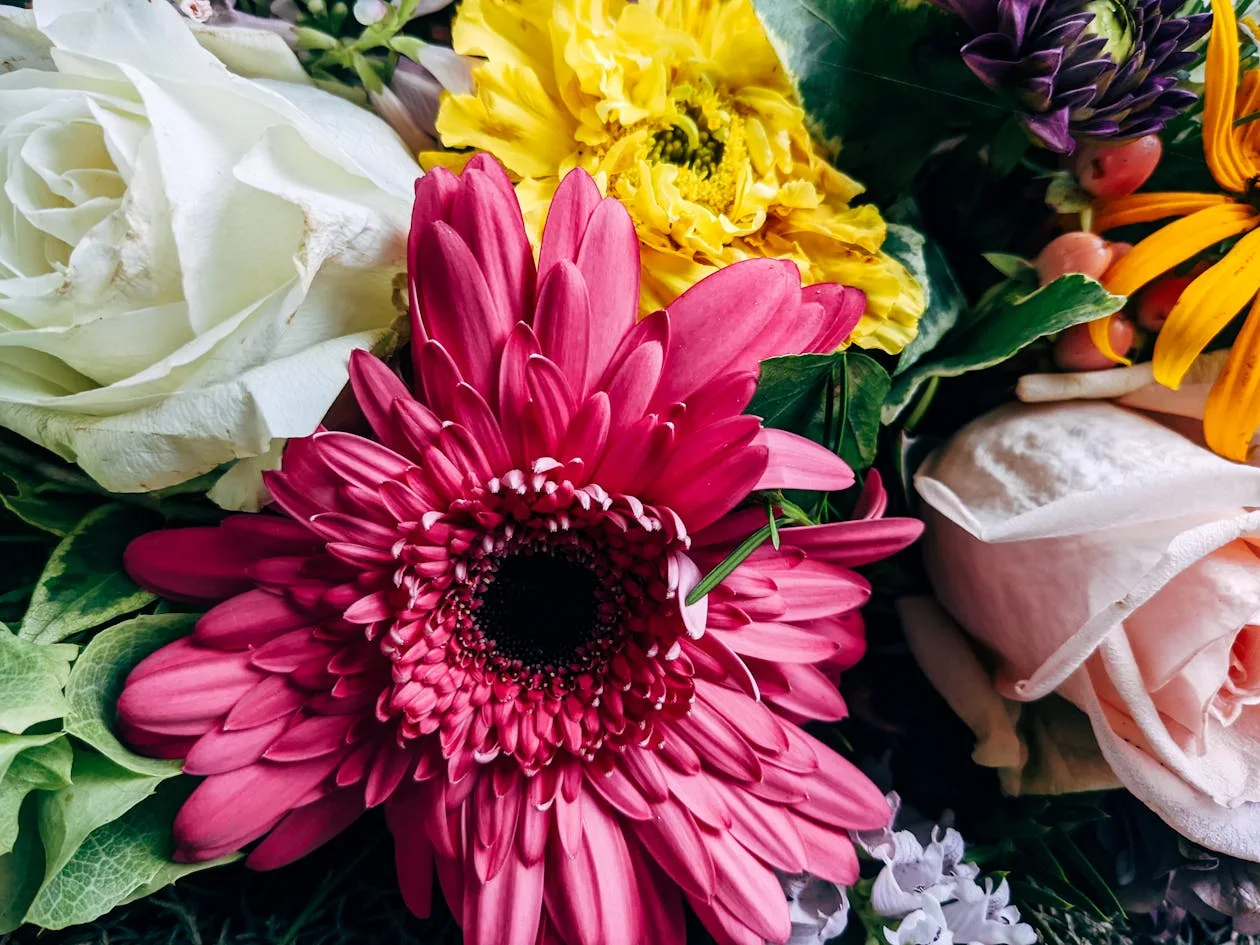
Distance is one of the most frustrating aspects of caring about someone. You cannot bring them soup when they are ill or stand beside them at a difficult moment. Sending flowers across a border is one of the most reliable ways of saying: I am here, even from there. The logistics, once understood, are simpler than most people expect.
How international flower delivery works
Most large international flower delivery networks operate through relay systems: you order through a UK-based platform, your order is relayed to a florist local to the recipient, and that florist arranges and delivers the flowers. This is why same-day or next-day international delivery is often possible: the flowers are not travelling internationally; the order is. The quality of the result depends heavily on the quality of the local florist in the network.
Flower symbolism differs between countries
Cultural considerations by country
- France: do not send chrysanthemums (associated with funerals and All Saints Day)
- Germany and central Europe: even numbers of flowers are for funerals; send odd numbers for celebrations
- China: white flowers carry mourning associations; red is the colour of celebration and luck
- Japan: lotus flowers are associated with funerals; focus on cherry blossom, chrysanthemum, or seasonal varieties
- Russia: do not send yellow flowers (associated with infidelity); even numbers are for funerals
- Mexico: yellow marigolds are cemetery flowers; not appropriate for celebrations
Choosing the right service
For international delivery, established relay networks such as Interflora and FTD have the widest coverage and the most accountable quality standards. For specific countries where you know the local market, searching for a reputable local florist and ordering directly often produces better results and lower prices. For very important occasions, it is worth calling rather than ordering online: speaking to a florist about what is available locally and in season produces more considered results.
Managing expectations
International flower delivery has more variables than domestic delivery. Allow extra lead time: order at least two to three days before the occasion. Confirm the delivery address in full, including any apartment numbers, floor information, or local address conventions. Be aware that in some countries, delivery to apartments requires a concierge or reception point. And consider the time zone: a same-day delivery in Australia from the UK requires ordering the previous afternoon.
“Flowers that cross a border to reach someone carry a particular weight. They say: the distance did not stop me thinking of you.”
Continue reading
The Perfect Bouquet for Every Occasion
Birthday, anniversary, new baby, thank you, sympathy — each occasion has its own language. Here's how to send exactly the right flowers every time.
Read more →
What to Write in a Flower Card
The flowers do most of the work. But the card still matters. Here is how to write something that is heartfelt without being awkward, for every occasion.
Read more →
How to Choose a Florist
The difference between a good florist and a great one is enormous, and it is not always obvious from a website. Here is what to look for.
Read more →