Wedding Flowers on a Budget
Wedding floristry does not have to cost a fortune. With the right choices and a few principles, you can have beautiful wedding flowers at a fraction of the usual cost.
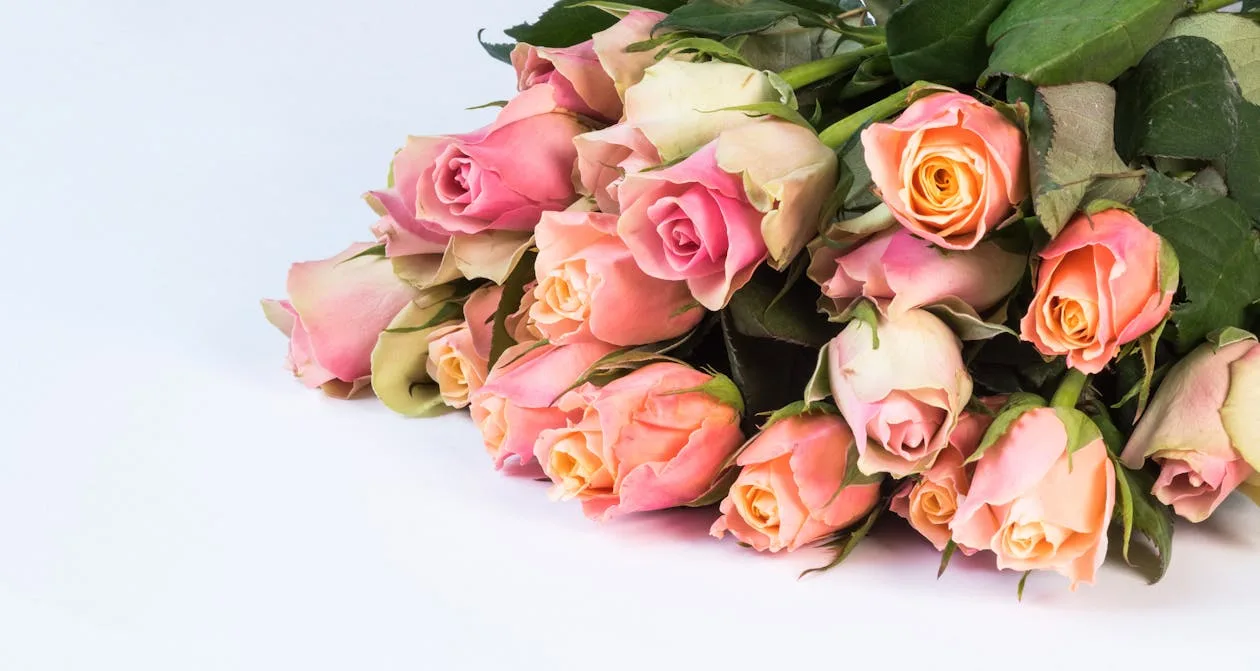
Wedding flowers routinely account for 8 to 15% of total wedding budgets in the UK, with full-service floristry for a mid-sized wedding often exceeding £3,000 to £5,000. There is almost always significant room to reduce this without sacrificing quality or beauty. The key is understanding where the money goes and making deliberate choices about where to spend and where to save.
Where wedding flower costs come from
Professional wedding floristry is labour-intensive. A florist charges not just for flowers but for consultation time, design, sourcing, preparation, transportation, setup, and breakdown. For full-service floristry at a large venue, labour can represent 50 to 60% of the total cost. Understanding this means you can make targeted decisions: reducing the florist's labour requirement, rather than just choosing cheaper flowers, is often the most effective cost reduction.
High-impact areas: where to spend
The bridal bouquet is the most photographed element of wedding floristry: it appears in nearly every wedding photograph. Spend proportionally more on the bouquet and less on other elements. The ceremony space flowers create the backdrop for vow photographs: another high-impact area worth prioritising. Reception table centres, by contrast, are seen briefly by guests during dinner and rarely appear prominently in photographs: this is where savings are easiest.
Budget wedding flower strategies
- Choose seasonal and British-grown flowers: they cost less and perform better than imported out-of-season varieties
- Use long-lasting flowers (carnations, alstroemeria, chrysanthemums) for table centres where vase life matters less than visual impact
- Pot plants hired from a nursery replace cut flower arrangements at a fraction of the cost and can be returned after the event
- Ask a florist to teach you a class and then arrange your own centrepieces: a half-day floristry lesson costs £80 to £150
- Source flowers wholesale from a flower market (Covent Garden in London, Birmingham Flower Market) and arrange them yourself or with friends
- Choose one or two focal flower varieties and use generous quantities rather than many small quantities of many varieties
- Consider dried flowers for centrepieces: they are prepared in advance and require no florist labour on the day
Flowers to avoid for wedding budgets
Garden roses and peonies are the most expensive flowers in the wedding floristry category, primarily because of their seasonality and the handling care they require. If these are essential to your vision, choose a wedding date in their peak British season (June for both) and source British-grown. Lily of the valley is among the most expensive flowers by weight: beautiful but a significant budget pressure. Substitutes like white freesia or white muscari deliver a similar delicate aesthetic at a lower cost.
“The most beautiful wedding flowers are seasonal, British-grown, and chosen with clear priorities. Budget constraints, managed well, produce more considered choices.”
Continue reading
The Perfect Bouquet for Every Occasion
Birthday, anniversary, new baby, thank you, sympathy — each occasion has its own language. Here's how to send exactly the right flowers every time.
Read more →
Top 10 Romantic Flowers and Their Meanings
Romance in flower form goes far beyond the red rose. Discover the full vocabulary of love in bloom — and what each flower communicates to the person who receives it.
Read more →The Peony Handbook
Peonies are the most beloved flower in Britain, and for good reason. Here is everything you need to know about buying, conditioning, and enjoying them at their finest.
Read more →