Flowers and Interior Design
The right flowers in the right space do something that furniture and lighting cannot. Here is how interior designers think about flowers, and how to apply it at home.
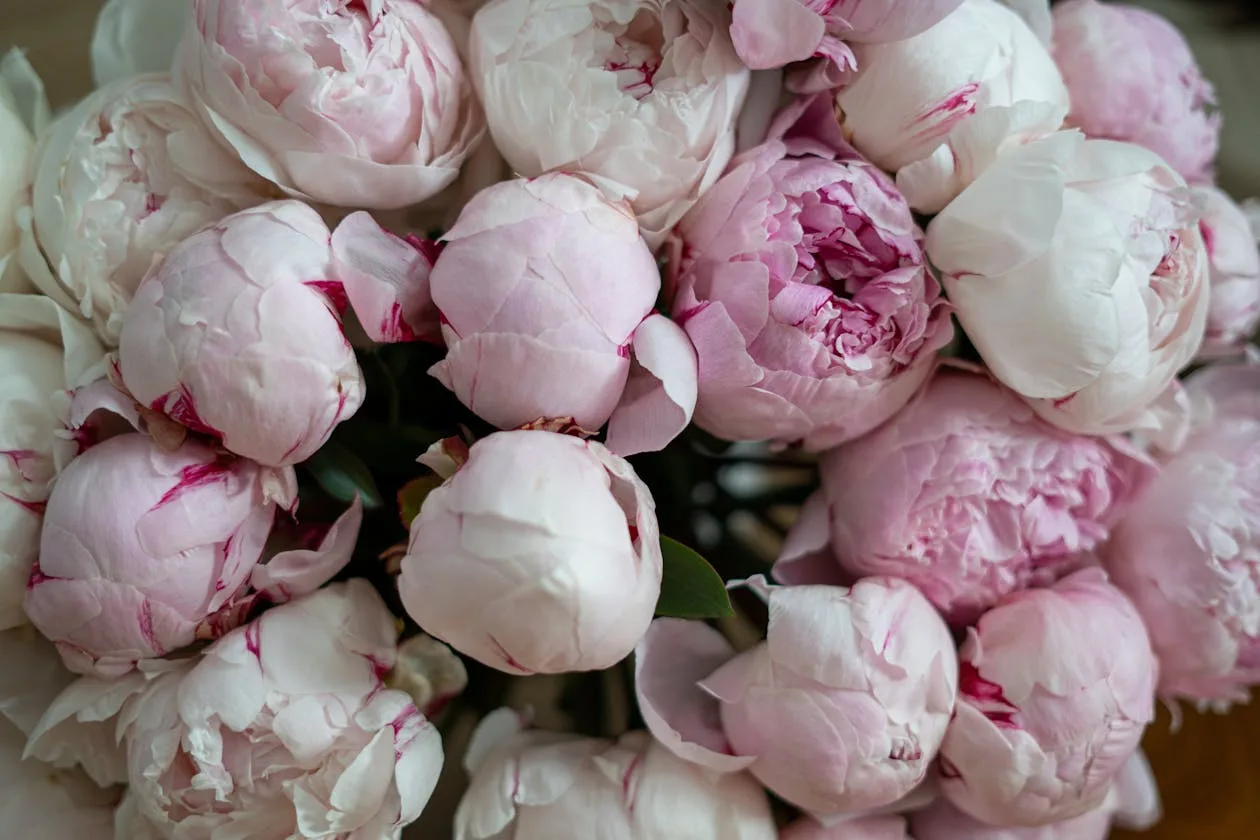
Interior designers have long understood something that most of us sense but rarely articulate: flowers change the quality of a space in a way that is difficult to achieve by any other means. They introduce natural form, organic irregularity, and life into environments that are otherwise composed of fixed, inorganic elements. A room with flowers in it feels inhabited in a different way from a room without them.
How designers approach flowers
Professional interior designers treat flowers as part of the overall composition, not an afterthought. They consider colour (the flowers should harmonise with or deliberately contrast against the room's palette), scale (an arrangement should be proportional to the surface it sits on and the room it occupies), and placement (flowers go where they will be seen, where the light is best, and where they will make the most impact on someone entering the space).
Room by room
Colour relationships
In a neutral interior (white, grey, linen), almost any flower colour works because the flowers become the colour statement. In a coloured interior, the relationship requires more thought: flowers in the same colour family create harmony; flowers in a contrasting colour create impact. Deep navy walls work beautifully with white or blush flowers. Terracotta tones call for warm oranges, peach, and deep reds.
Interior design flower principles
- Scale to the space: a large room needs a large arrangement, a small room needs a restrained one
- Neutral interiors give flowers maximum freedom: go bold with colour
- Coloured interiors need more considered flower choices: harmonise or contrast deliberately
- Vary vessel materials: ceramic, glass, metal, and terracotta each bring different qualities
- Flowers work in odd numbers of vessels when grouping: three small vases grouped is more dynamic than two
- Change flowers seasonally to align with the shifting quality of light
“A well-placed bunch of flowers does what a painting does: it gives the eye somewhere to go, and the mind somewhere to rest.”
Continue reading
5 Ways to Style Flowers at Home
You don't need a florist's eye to display flowers beautifully. You need five simple principles — and the willingness to think beyond the traditional vase.
Read more →
Everything You Need to Know About Dried Flowers
Dried flowers have moved far beyond dusty Victorian arrangements. Today they offer a genuinely beautiful, long-lasting alternative to fresh flowers. Here is the complete guide.
Read more →
How to Make Cut Flowers Last Longer: The Science
Cut flowers die for predictable, preventable reasons. Understanding the science behind vase life means you can do something about it. Here is what actually works.
Read more →