Anniversary Flowers by Year: A Complete Guide
Each wedding anniversary year has its own traditional flower and material. Understanding this tradition helps you make gifts that are both personal and connected to something larger.
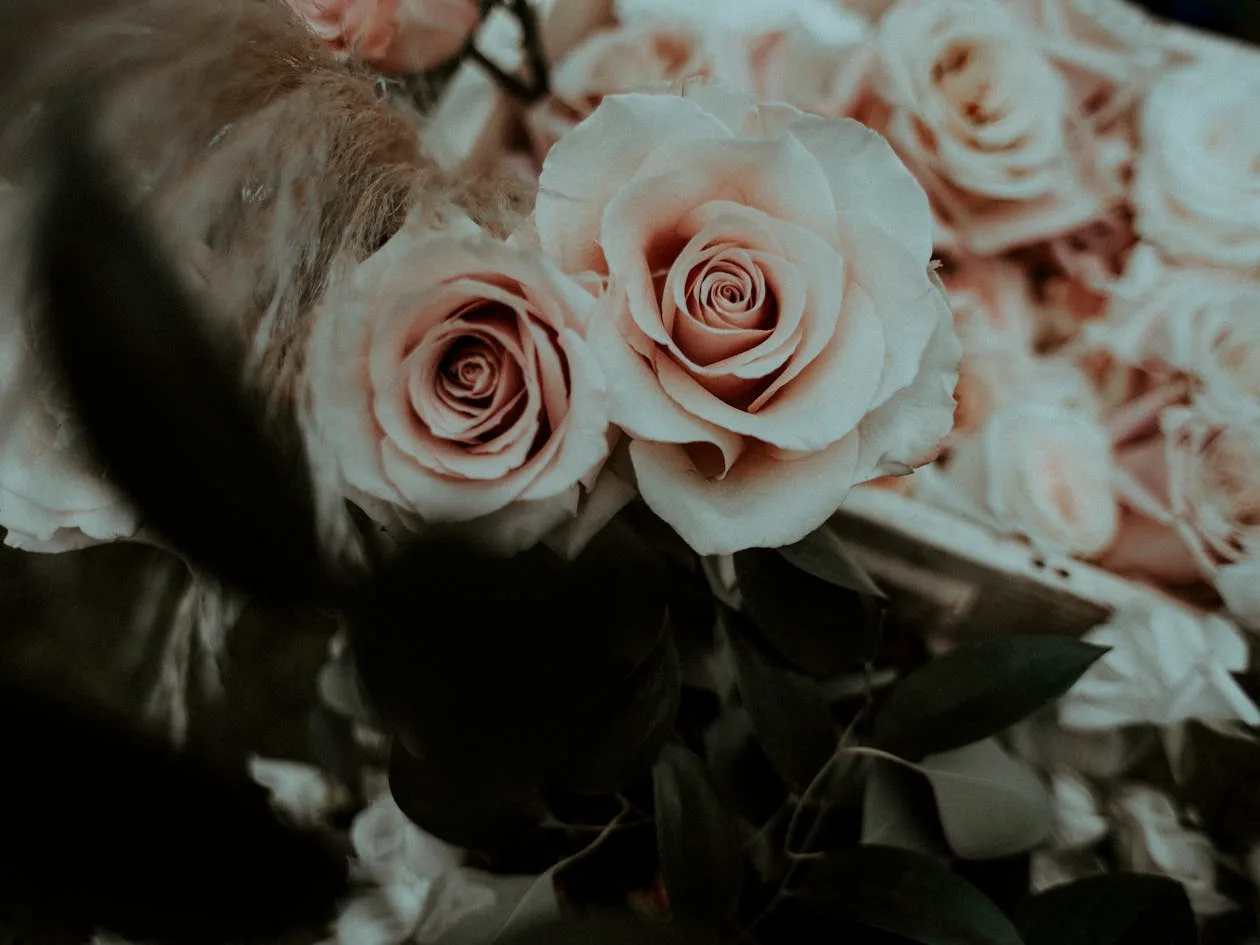
The tradition of associating specific materials with wedding anniversary years is older than most people realise, predating the Victorian era that popularised it. The paper anniversary at one year, the silver at twenty-five, and the gold at fifty are the most widely known, but every year from one to fifteen and then the major milestones beyond has its own traditional material. For flower-givers, this tradition provides a framework for anniversary gifts that are connected to something culturally resonant rather than simply chosen at random.
The first ten years
The first anniversary is paper, which is not directly a flower but has inspired the tradition of giving pressed flowers or botanical prints. The second is cotton, suggesting white flowers. The third is leather or crystal, which can be interpreted as clear glass vessels with beautiful flowers within them. The fourth anniversary is fruit or flowers, one of the most directly applicable: any flowers the recipient loves. The fifth is wood, suggesting branches, sculptural botanical arrangements, or flowering shrubs. The sixth is candy or iron, the seventh wool or copper, suggesting warm copper-toned flowers such as chrysanthemums and dahlias.
The traditional anniversary flowers
Beyond the material associations, specific flowers have become associated with specific anniversary years. First anniversaries: carnations. Second: cosmos. Third: fuchsia. Fourth: geraniums. Fifth: daisies. Sixth: calla lilies. Seventh: freesias. Eighth: clematis or poppies. Ninth: bird of paradise. Tenth: daffodils. Fifteenth: roses. These associations are not universal, but they provide a starting point for those who want their anniversary flowers to carry meaning beyond personal preference.
“Anniversary flowers are most meaningful when they connect the private occasion to something with history. The tradition does not determine the gift; it gives the gift a frame.”
Key anniversary flower guide
- 1st (paper): pressed flowers in a frame, or botanical prints
- 4th (flowers): any flowers the recipient loves, with genuine personal knowledge
- 10th (tin or daffodils): yellow flowers, daffodils, or a gold-toned arrangement
- 15th (crystal or roses): luxury rose arrangement from an independent florist
- 20th (china or asters): daisy-family flowers in cool, beautiful colours
- 25th (silver): white and silver flowers: white roses, white anemones, eucalyptus
- 50th (gold): rich golden flowers: sunflowers, yellow roses, golden chrysanthemums
The silver and golden milestones
The 25th and 50th anniversaries are the occasions that most clearly demand flowers of genuine substance. For a silver anniversary, white and silver tones, including white garden roses, white lisianthus, and silver-green eucalyptus, create an arrangement that directly reflects the traditional material. For a golden anniversary, rich gold and amber flowers, including sunflowers, yellow roses, golden chrysanthemums, and amber dahlias in season, create the warmth and generosity that fifty years together deserves. For both occasions, commission from an independent florist rather than ordering online: the event deserves a personal conversation.
Continue reading
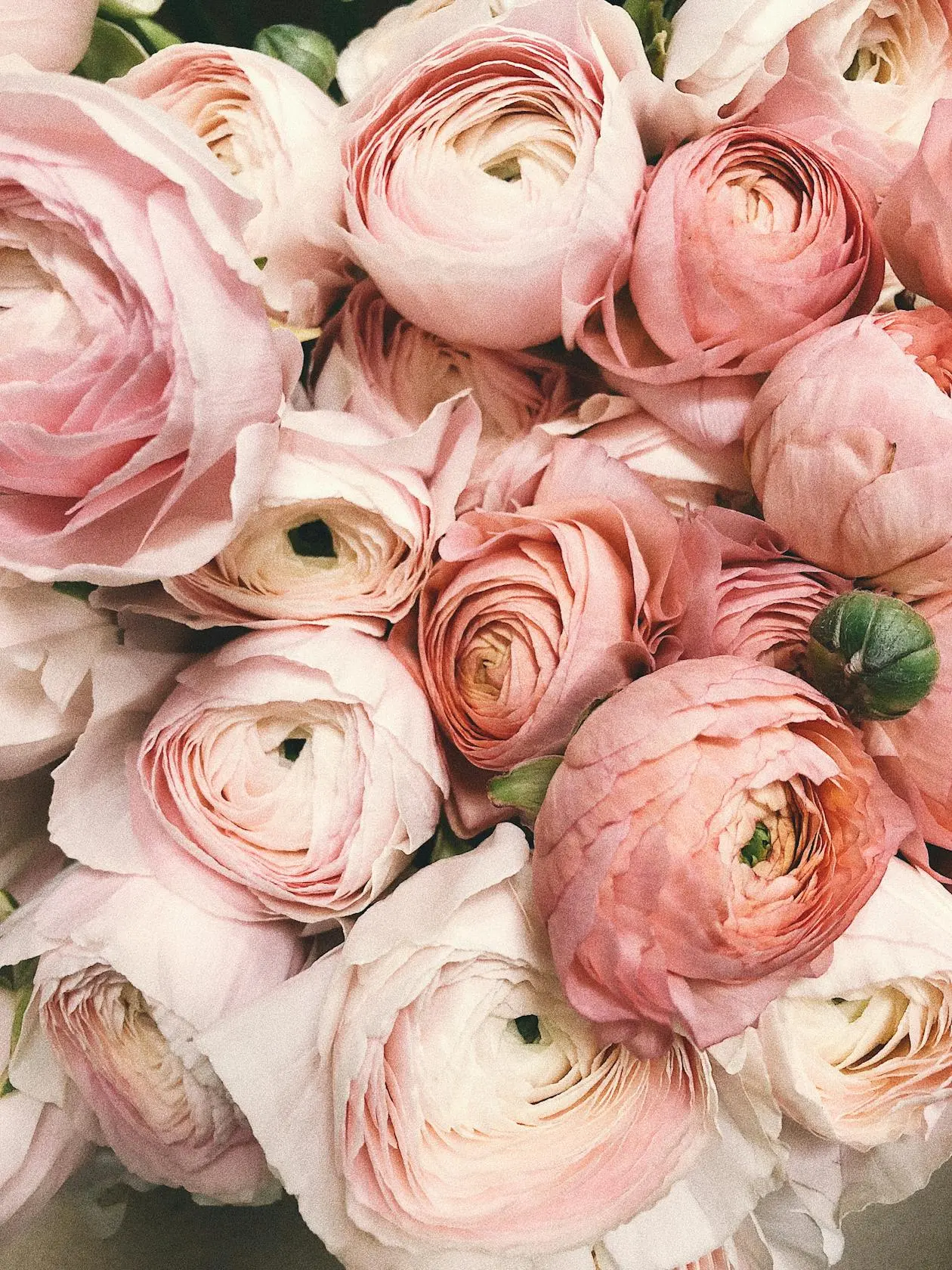
The Language of Roses: What Every Colour Means
For centuries, roses have spoken a language all their own. A single stem can say what words struggle to capture — but only if you choose the right colour.
Read more →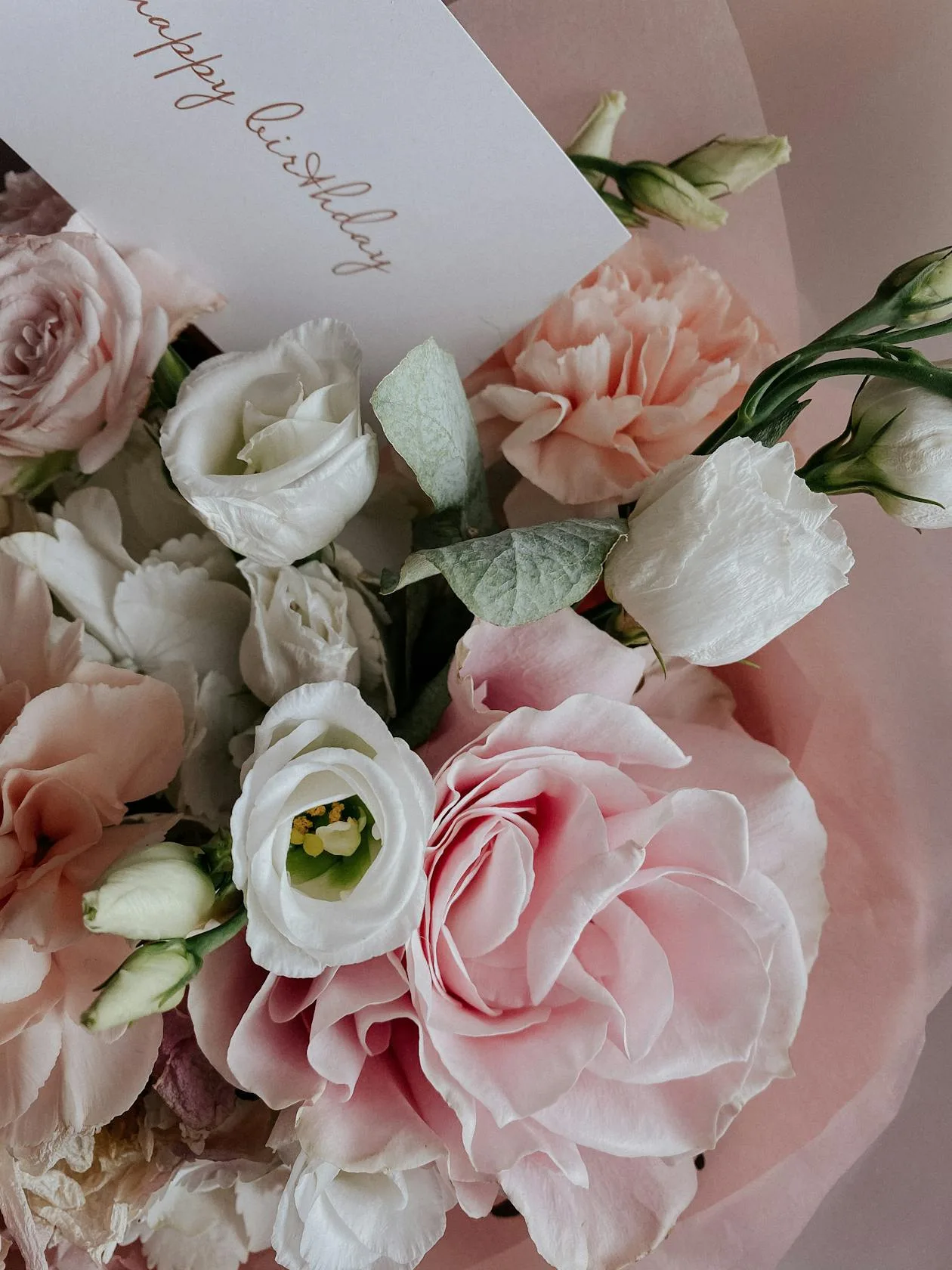
Flowers for Milestone Birthdays: 30th, 40th, 50th and Beyond
A milestone birthday calls for something more considered than a standard bunch. The flowers you choose should reflect the significance of the occasion.
Read more →
The Art of Giving Flowers for No Reason
Giving flowers for no particular reason is, arguably, the most powerful flower-giving gesture of all. It requires no occasion, no justification, and no social script. That is precisely the point.
Read more →