Winter Flowers: Beauty in the Coldest Months
Winter does not mean no flowers. It means different flowers, chosen for the season. Here is what Britain grows and imports through December, January, and February.
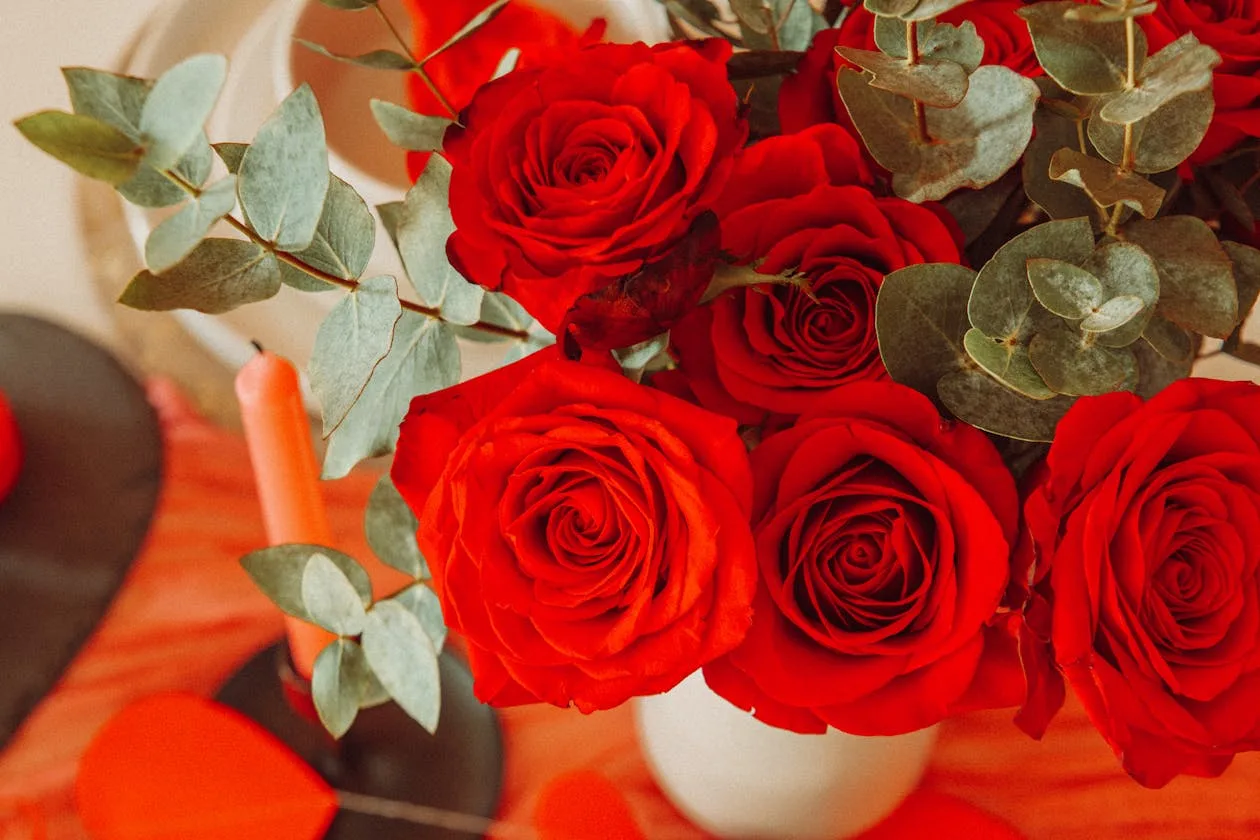
Winter is the season when the flower trade pivots most dramatically toward imports. Almost nothing grows in British fields in December and January, and the industry relies on the global cold chain to keep florists stocked. Understanding what this means, and making the best choices within it, helps you buy winter flowers that are genuinely good rather than just available.
What actually grows in Britain in winter
Very little, but not nothing. Witch hazel (Hamamelis) produces its extraordinary spidery yellow or orange flowers on bare stems from December to February. Winter-flowering hellebores, available from January, offer extraordinary diversity: nodding flower heads in cream, pink, deep plum, and spotted varieties. Snowdrops emerge in January and February, brief and perfect. These are not commercial cut flowers in most senses, but knowing a grower who supplies them is a genuine pleasure.
Christmas flowers
Christmas floristry uses a palette defined by tradition: deep red, white, gold, and green. Poinsettias are the most widely given Christmas plant. Amaryllis is the most dramatic cut flower for the season. Holly, ivy, blue pine, and mistletoe provide the structural foliage. A Christmas wreath of mixed foliage, berries, and cones is both beautiful and fragrant, and it can last the entire festive season.
Winter flower tips
- Amaryllis bulbs bought in November will flower for Christmas: plant immediately on receipt
- Forced narcissi bulbs planted in late October will flower in December and January
- Winter flowers last longer than summer flowers in the cool air: extend vase life by keeping rooms cool
- Poinsettias need warmth and indirect light: keep away from cold draughts and radiators
- Hyacinths grown in water over gravel need only topping up: change the water if it becomes cloudy
“An amaryllis opening on a windowsill in December is as beautiful as any summer flower. Winter flowers ask more of you in seeking them out, and they reward the effort.”
Continue reading
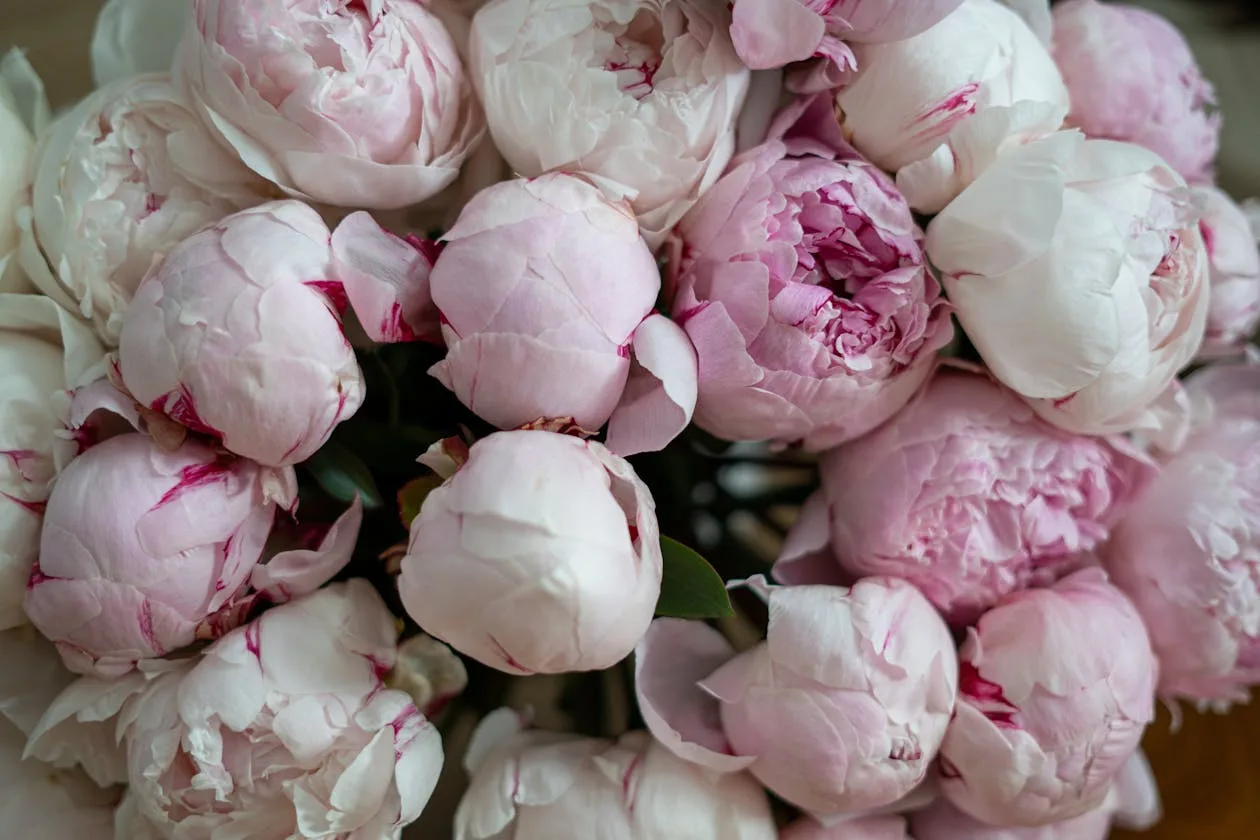
5 Ways to Style Flowers at Home
You don't need a florist's eye to display flowers beautifully. You need five simple principles — and the willingness to think beyond the traditional vase.
Read more →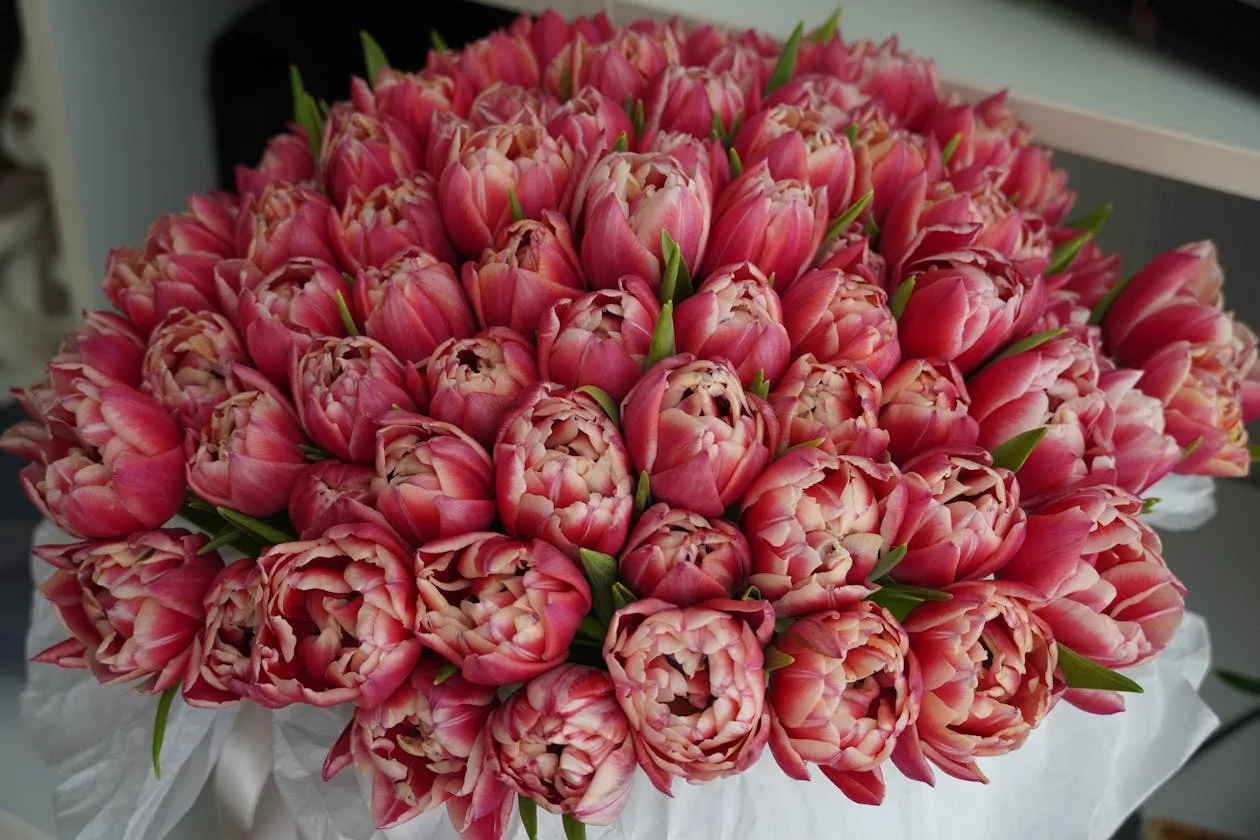
Seasonal Flower Guide: What's Blooming Right Now
The freshest, most beautiful flowers are always the ones in season. Here's your month-by-month guide to what's blooming in Britain — and why seasonal always wins.
Read more →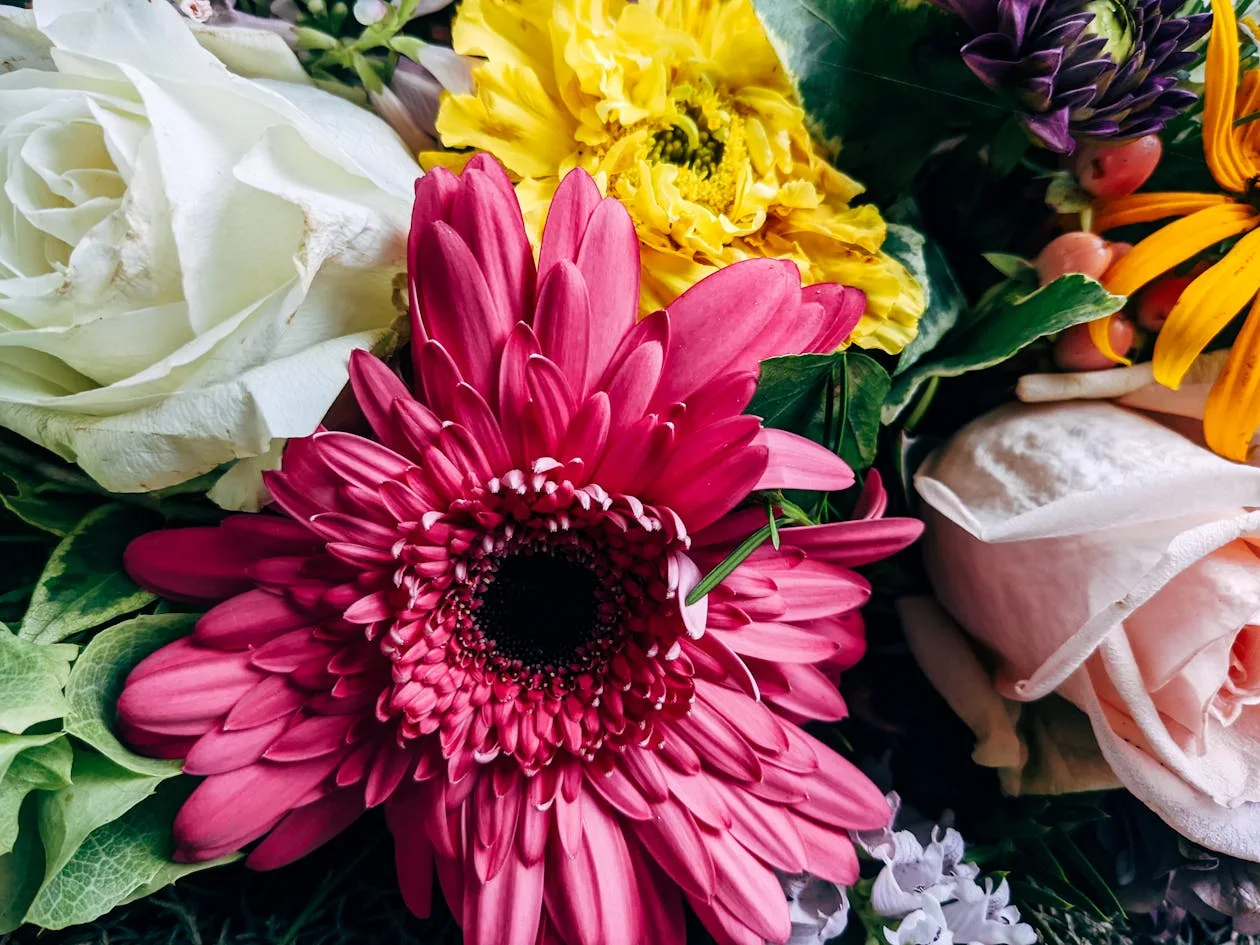
Autumn Flowers: The Season Most People Miss
Most people think of spring as the flower season. Autumn is just as extraordinary, and far less crowded. Here is what Britain grows from September to November.
Read more →